




Honey is a pantry item people reach for when they want something sweet and comforting. You might put it in tea, on toast, mix it into dressings, or serve it alongside cheese and fruit. The downside is that using honey in any form or fashion often ends with sticky fingers and even stickier counters. So how can you serve honey without making a royal mess?
Most people default to a spoon. It works, technically, but it’s rarely a clean process. Honey slides off the edges, pools at the bottom of the spoon, and drips down the handle before you can get it where you want it. If you’re using a honey jar every day, those little messes can become a never-ending battle.
A wood honey dipper exists for a simple reason. Honey is thick. It needs a tool that can hold it, albeit somewhat briefly, move it around, and release it without creating a sticky trail along the way. Whether you’re setting out a charcuterie board, storing honey in a mason jar, or keeping a honey pot on the counter for whenever you need it, a wooden honey dipper stick makes serving easier and more controlled.
We’re going to explain why honey dippers work so much better than spoons, how to use one correctly, why wood is the preferred material, how to care for it, and where honey dippers tend to be used most. Whew! That was a mouthful, so let’s get started!
Benefits of a honey dipper vs using a spoon
A spoon is designed to scoop and dump. Honey does not react to either of those actions well. Once honey leaves the spoon, it keeps going. That’s where the mess starts.
When you lift a spoon out of a honey jar, the excess honey has nowhere to go except down the sides. Even if you’re careful, it often ends up on the rim of the jar, the counter, or your fingers. Over time, the jar itself becomes sticky and hard to open.
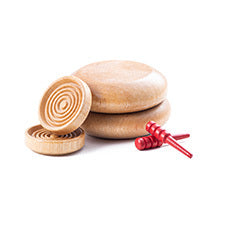
A honey spoon with grooves, more commonly known as a honey dipper, solves this by design. The grooves hold honey in place instead of letting it spill immediately. When you lift the dipper, the honey stays where it is until you choose to release it.
This makes a noticeable difference when sweetening drinks (like tea). You can add honey gradually instead of overshooting and making things way too sweet or, even worse, way too messy. It also helps when serving honey to others, especially if presentation matters (like on a charcuterie board), and when nobody wants sticky utensils passed around.
How to use a honey dipper
Using a honey dipper is not super difficult, but in our experience, a small technique change makes it work much better. For best results, lower the grooved end into the honey jar or honey pot until it’s fully coated. Lift the honey dipper straight up, then rotate the handle slowly between your fingers (it might sound tricky, but we promise it’s much easier in practice). This motion keeps the honey suspended in the grooves instead of running off in every direction.
When you’re ready to serve, stop rotating and tilt the dipper slightly. The honey will flow out in a thin stream. Once you’ve added the amount you want, rotate the handle again to stop the flow before lifting it away. This method keeps honey from dripping onto the rim of the jar or into places you didn’t intend.
Why wood is the ultimate material for honey dipper sticks
If you spend any time shopping for honey dippers, you’ll likely find them available in plastic, silicone, metal, and wood. Wood remains the most common choice because it looks good, works well, and holds up over time.
Just as importantly, wood doesn’t react with honey or affect its flavor. That matters more than many people realize, especially if you’re using raw or specialty honey. Both metal and plastic can change the flavor, while wood remains neutral.
There’s also the visual side of it. A wooden honey dipper looks at home next to a honey pot, inside a mason jar, or laid out on a serving board. It does not look out of place in everyday use or when guests are over. Metal, on the other hand, can look a bit too harsh, and plastic can just look cheap and disposable (as it usually is).
Cleaning and storing your wooden honey dipper
Cleaning a wooden honey dipper doesn’t take much effort, but it still needs to be done properly. After using your honey dipper, rinse the dipper under warm water. If honey has settled into the grooves, a soft cloth or brush will remove it easily. Avoid soaking it in water, as prolonged moisture exposure may weaken the wood over time.
For this reason, a wooden honey dipper should not go in the dishwasher. The combination of heat and water can cause the wood to dry unevenly and, eventually, crack.
Once clean, dry the dipper with a cloth, and then allow it to air dry before storing it. Most people keep it in a drawer or resting across the top of their honey pot. If the wood starts to look dry after extended use, a light coat of food-safe mineral oil can help maintain the finish.
Creative uses of honey dippers
Most people buy a honey dipper for one reason, then realize later how often they reach for it.
If you drink tea regularly, a honey dipper becomes part of the preparation. It’s easier to control than a spoon, especially when you’re half awake and trying to get the sweetness just right. You add a little, stir, taste, then decide if you want more.
On a charcuterie board, honey dippers get used constantly. Guests tend to understand them instinctively. They drizzle honey onto cheese or fruit without dragging a spoon across the board or setting sticky utensils down in the wrong place. It keeps the whole setup cleaner, especially as people come and go.
For anyone storing honey in a mason jar, a dipper helps avoid that slow buildup around the threads that makes jars nearly impossible to open and close properly. It’s a small thing, but noticeable if you use honey in the kitchen often enough.
Honey pots also work better when there’s one dedicated honey spoon that stays with them. It cuts down on crumbs, double-dipping, and whatever else tends to happen when spoons get reused (we don’t judge).
Outside of honey, these dippers show up in unexpected ways. Some people use them for maple syrup on pancakes. Others use them for agave or light glazes on pastries. They’re also common in gift baskets and wedding favors, usually paired with a honey jar or tea blend because they feel useful rather than purely decorative.
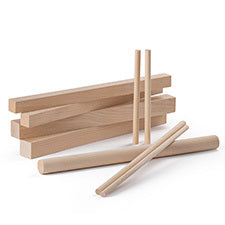
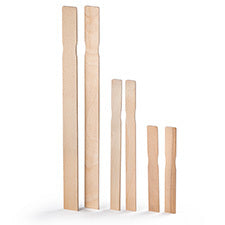
Are you currently on the hunt for the perfect wooden honey dipper for your kitchen or a gift set? If so, Woodpeckers has you covered. We offer three distinct sizes to meet your needs:
Did you enjoy our wooden honey dipper stick guide? Be sure to let us know in the comments and check out our honey dipper shop to find the perfect gift for yourself or a loved one!
