
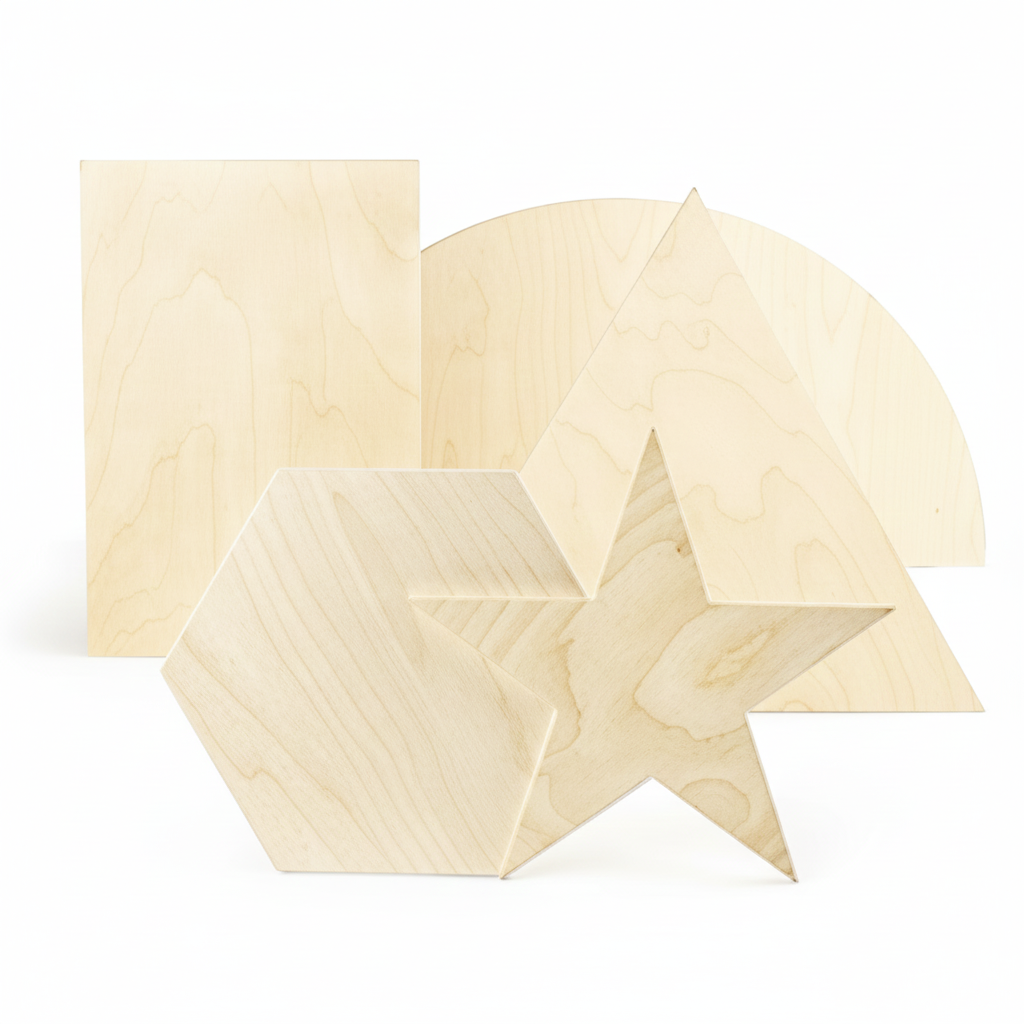
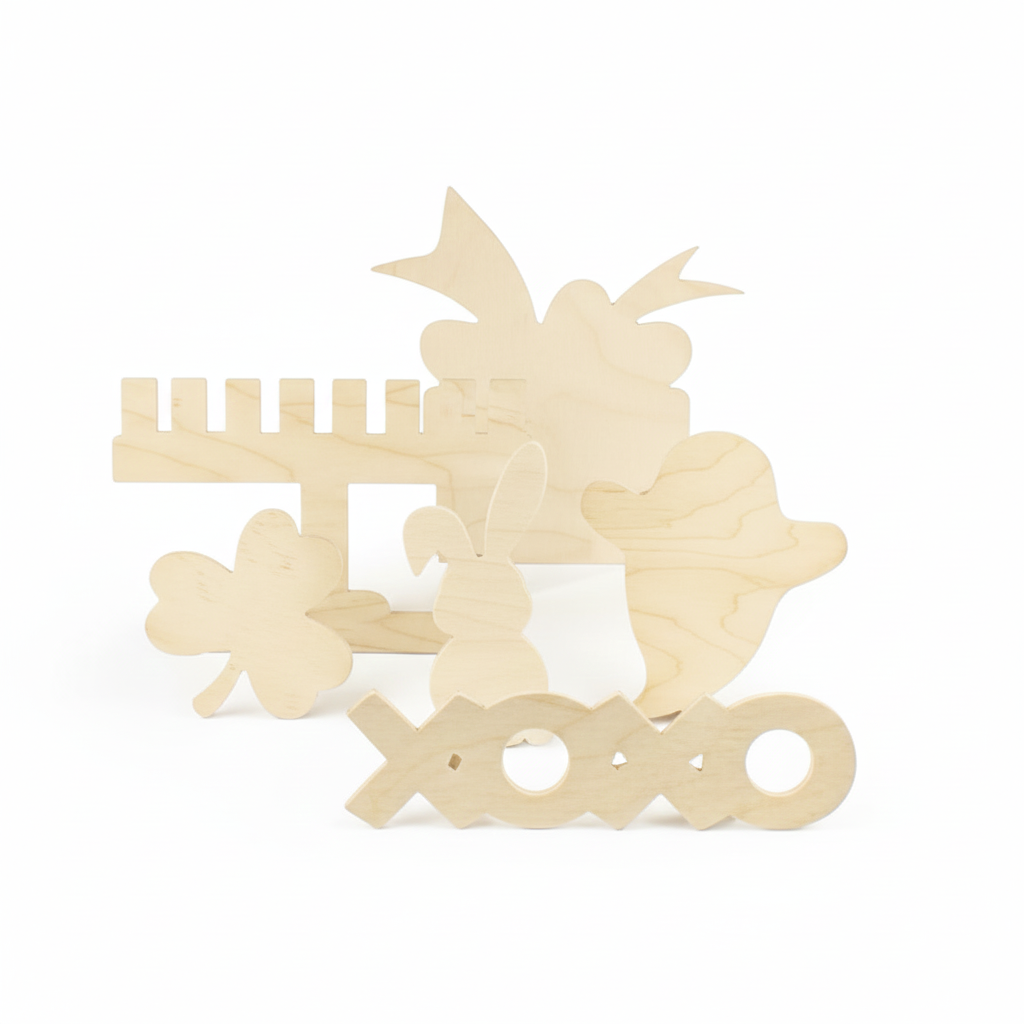

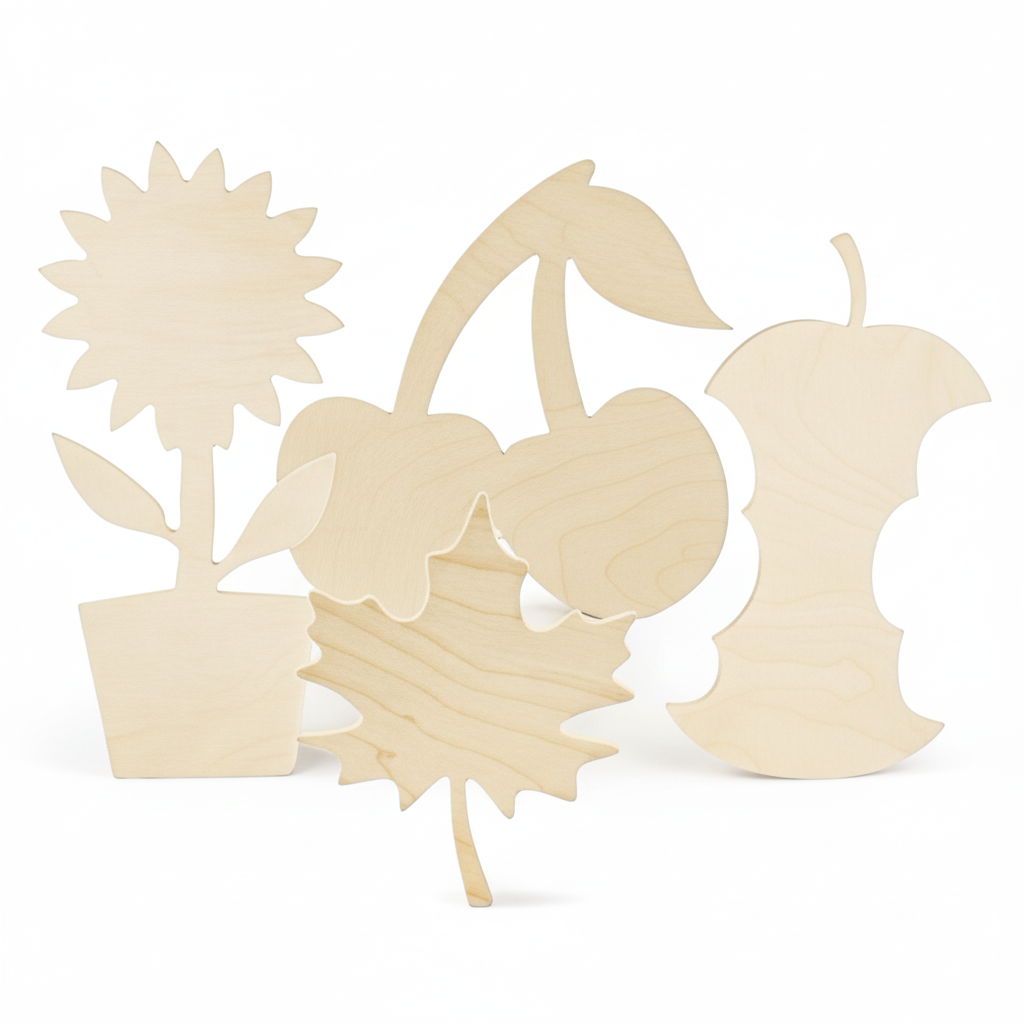
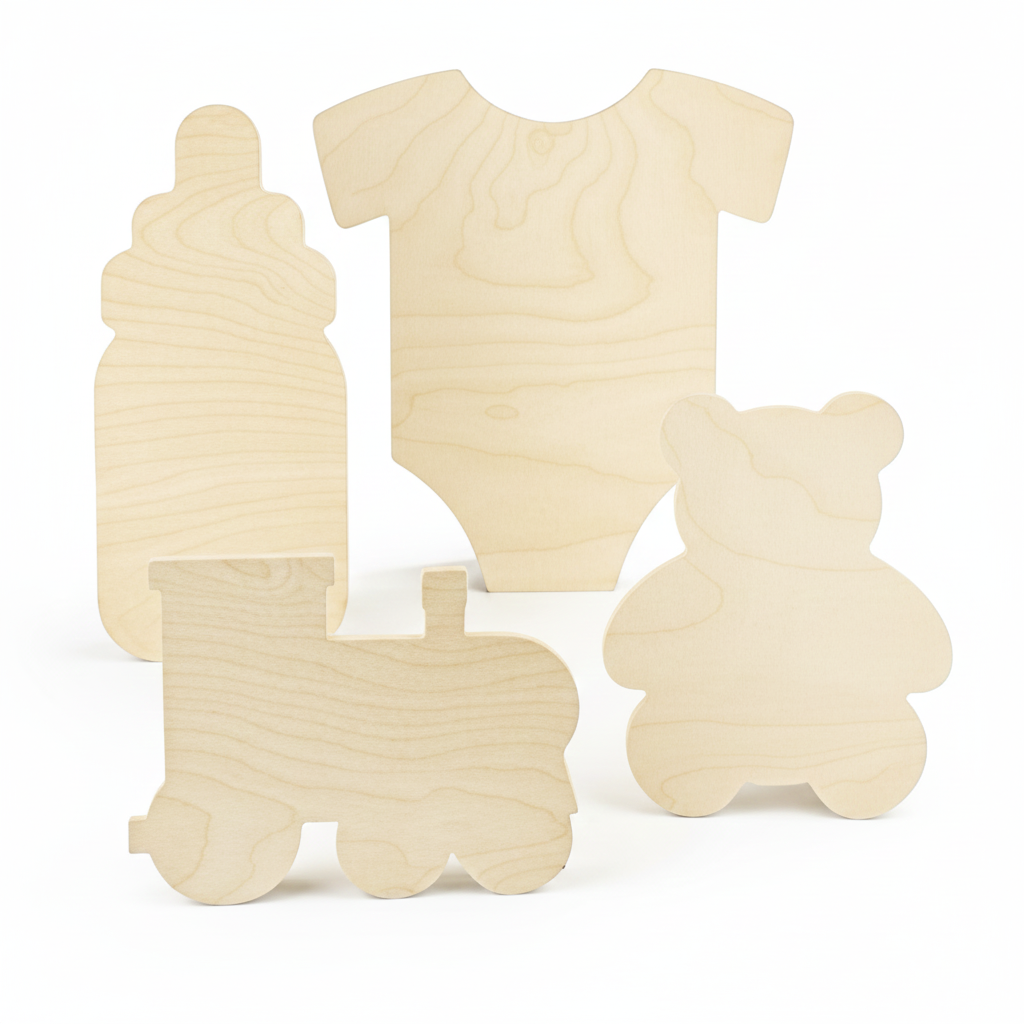
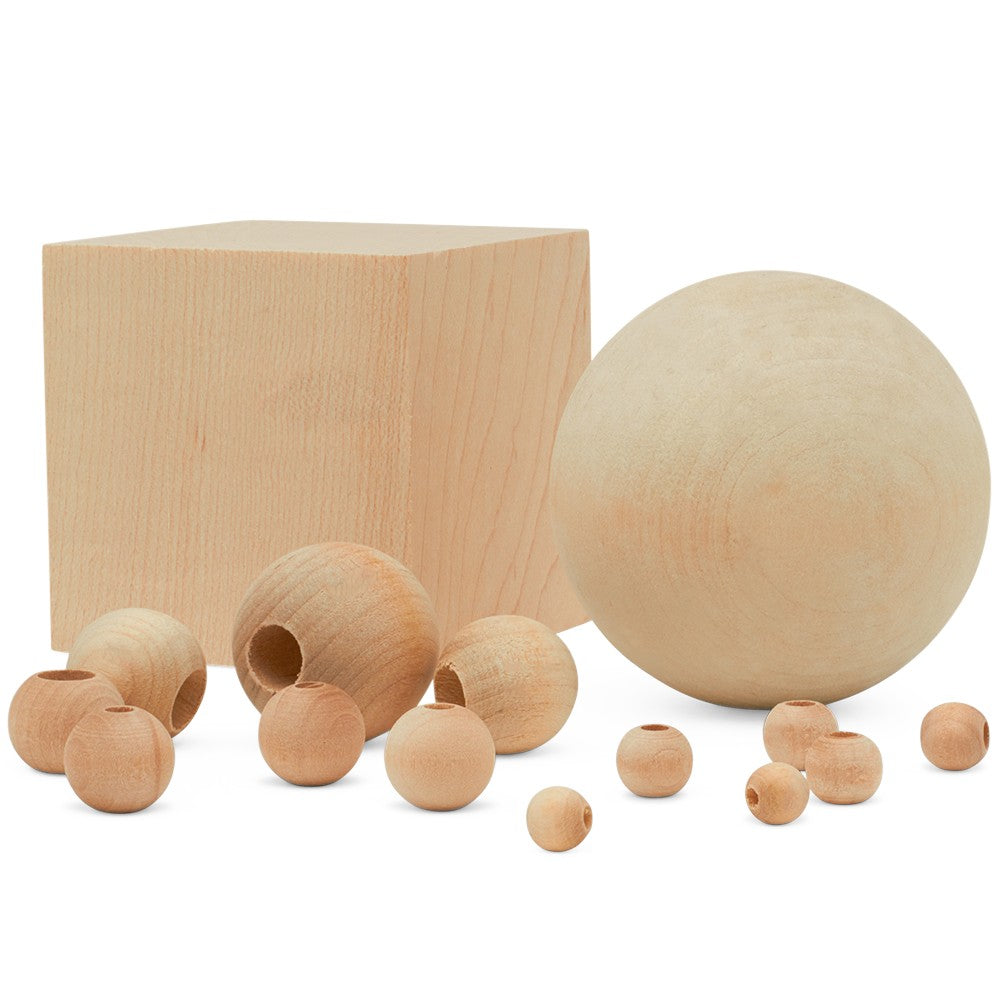




There’s a reason geometric shapes show up in so many craft projects. When you really think about it, these shapes are the foundation of decorations, structures, and just about anything you can see and touch! They’re simple, but they’re not boring. Squares feel strong and structured. Circles feel soft and welcoming. A triangle feels a bit more cheeky (but it can also hold its own as a structural component). Change the shape, and the whole project shifts, even if everything else stays the same.
That’s what makes geometric wood cutouts so useful. You’re starting with a form that already suggests something visually. And once you notice that, you start choosing shapes differently. Not just based on size, but based on what kind of project you actually want to create.
Some shapes are better for signs. Some work best for layering. Others feel more decorative on their own. Below, we’ll go through the most common shapes, and what people tend to do with them in their DIY and craft projects.
Rectangle & square cutouts
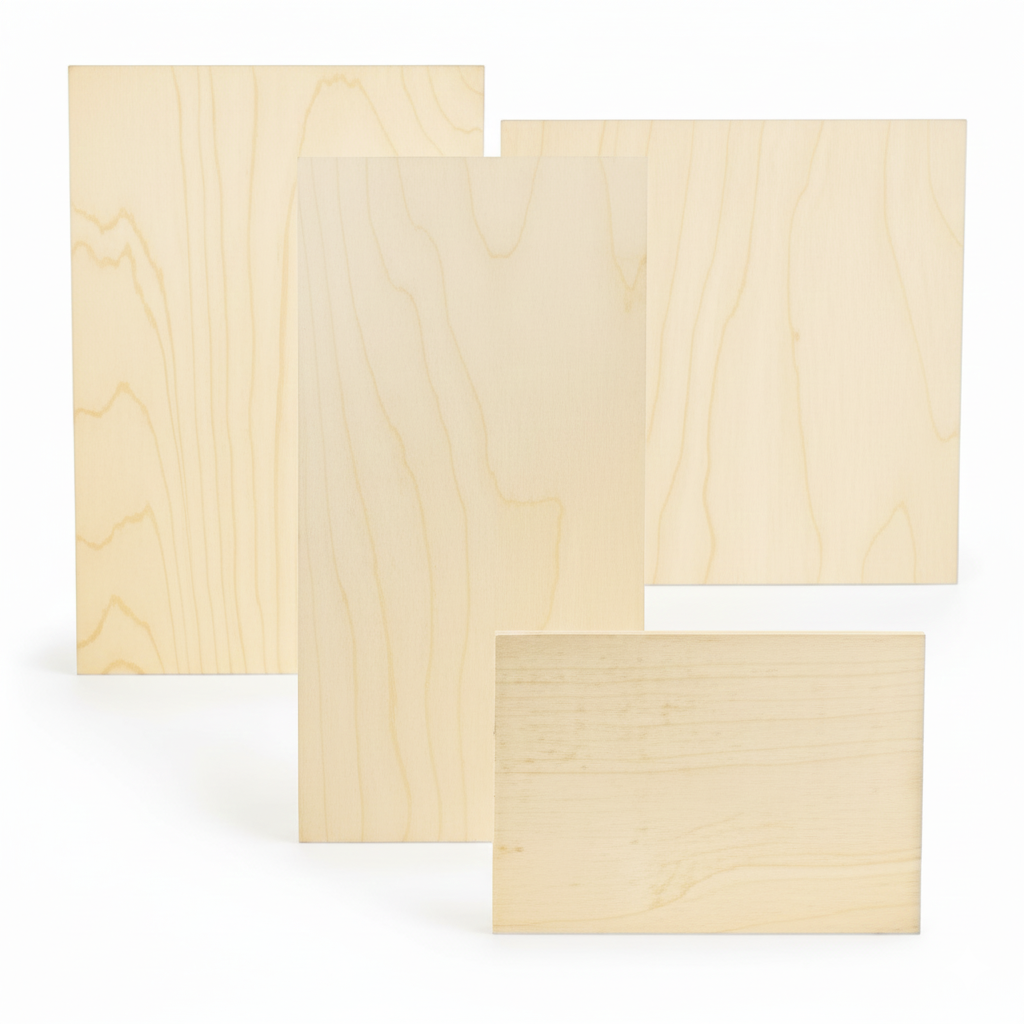
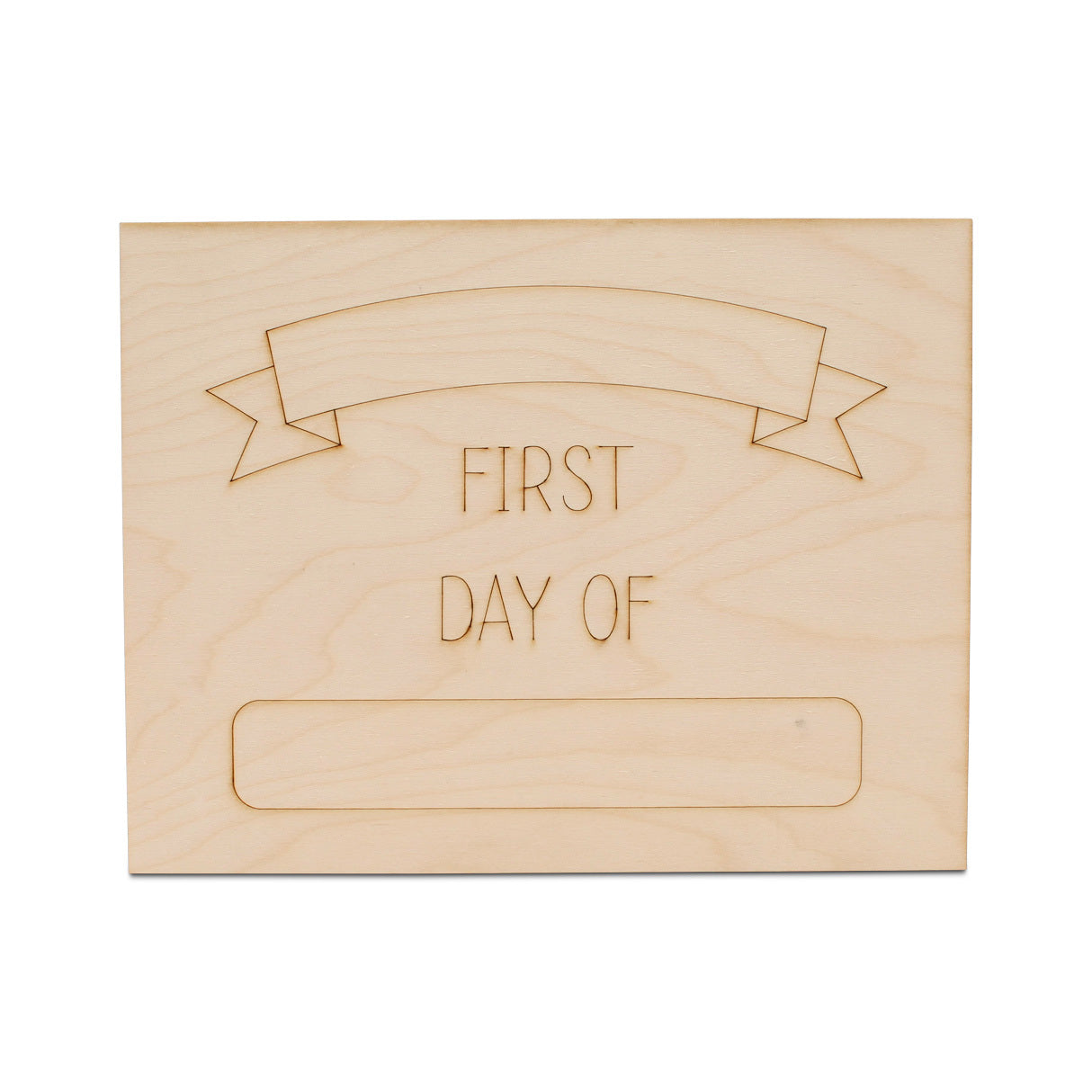
Rectangles and squares are probably the most familiar starting point. They feel very stable. Predictable in a good way. If you’re making a sign, this is usually where people begin.
Wood rectangles work very well when you need structure — something with a clear top and bottom. That makes them ideal for quotes, names, or anything text-based. You don’t have to fight with the layout. It just makes sense.
Squares are a little different. They feel more balanced, more centered. That makes them great for designs where the visual is the focus instead of the wording.
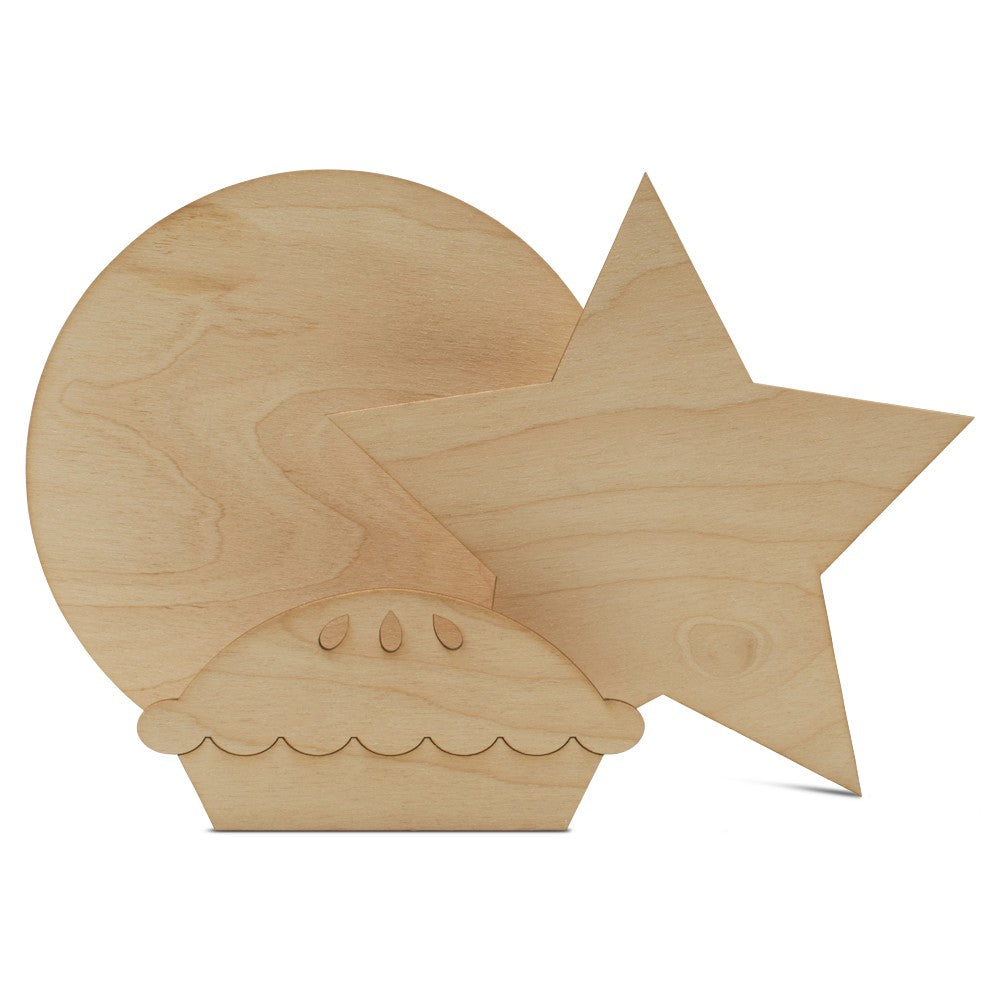
One of the more common uses for these shapes is layering. A square base with smaller shapes on top (maybe a circle or star) gives you depth without overcomplicating the project.
People also use rectangle cutouts for things like shelf decor, small wall signs, or even tabletop pieces. If you’re keeping things minimal, a simple painted rectangle with clean lettering can look surprisingly finished.
If you’re starting here, you’ll probably end up coming back to them. They’re that reliable. You can explore different sizes and options in our wood rectangle collection.
Circle & half circle cutouts
Unlike squares and rectangles, circles have no direction to them. No top, no bottom. That changes how you approach the design.
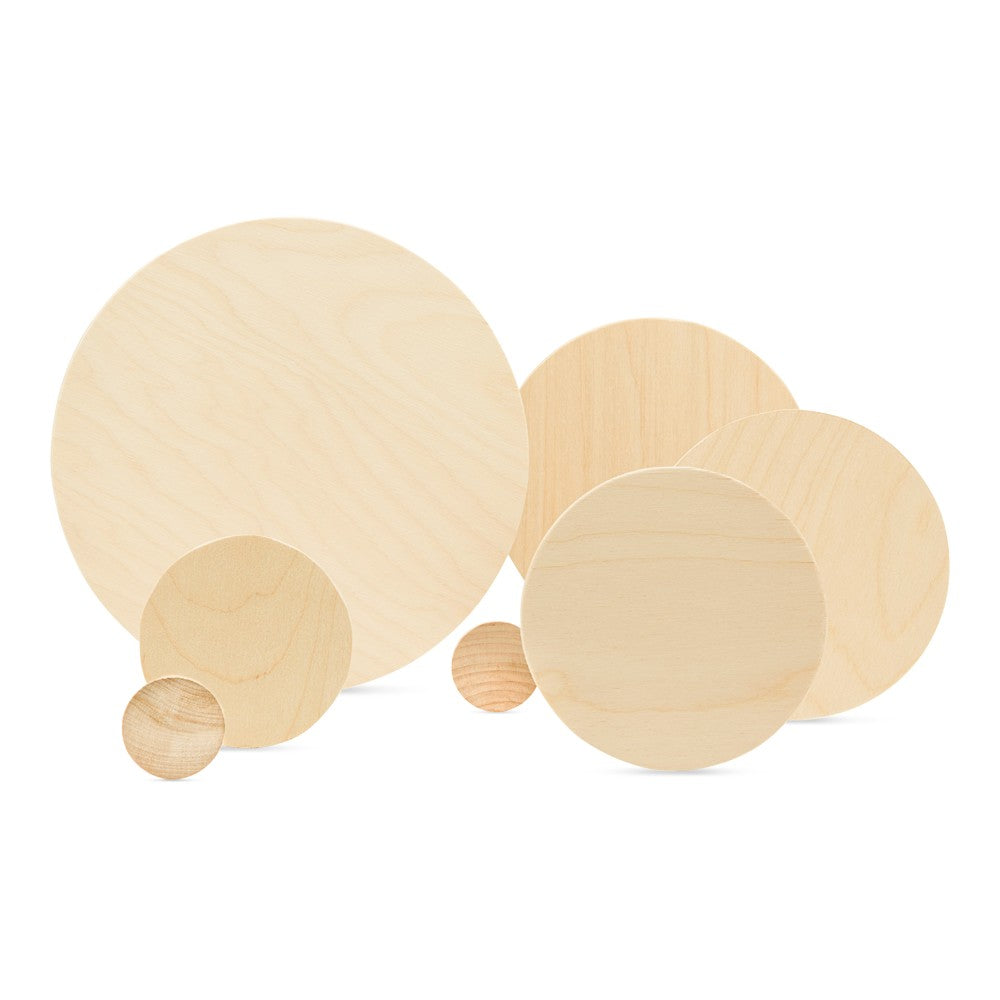
A full wood circle tends to soften a project. It’s less formal. Less rigid. That’s why circles show up a lot in home decor, especially in spaces that are meant to feel relaxed or welcoming.
They’re also easier to style. A painted wooden circle can stand on its own without much added detail. Even a simple color and a short phrase can look complete.
Half circles open up more possibilities. People use them in layered designs, often combining them with rectangles or other shapes to create something more dynamic. Think arches, rainbows, or abstract patterns.
They’re also popular for modern decor projects. A half circle paired with neutral tones can feel clean and intentional without being overly decorative.
For crafts, circles are often used for ornaments, tags, or small wall pieces. They’re also a good choice for beginners because they don’t require precise alignment or complex layout planning.
Oval cutouts
Ovals don’t get talked about as much, but they’re surprisingly useful once you start working with them. They sit somewhere between a rectangle and a circle. You still get a defined direction (top and bottom), but the edges are much softer. That combination makes ovals a good choice for projects that need structure without feeling too rigid.
One of the most common uses is for name signs or labels. The shape naturally frames text without boxing it in. It feels a little more decorative without requiring extra detail.
Wood oval cutouts also work well for vintage-inspired projects. There’s something about the shape that leans slightly traditional. Painted in neutral tones or lightly distressed, they fit easily into farmhouse or classic decor styles.
They’re also a good option when you want something a little different without going too far outside familiar shapes. If rectangles feel too plain and circles feel too soft, ovals tend to land right in the middle.
Triangle cutouts
Triangles change the energy of a project almost immediately. They feel more active and directional.
That makes them a good choice for designs that need movement or variation. People often use triangle cutouts in patterns — repeating them, rotating them, layering them — to create something more dynamic.
They’re also popular for themed crafts. Trees, mountains, abstract shapes — triangles show up in a lot of those designs. Even simple painted triangles can look interesting when grouped together.
Another way people use them is in geometric wall art. Instead of one large piece, you create multiple smaller triangle cutouts and arrange them into a larger pattern. It’s a little more involved, but the result feels more custom.
Triangles are also a good way to break away from more traditional shapes. If everything you’ve made so far feels similar, switching to triangles can change that quickly.
Star cutouts
Stars are one of those shapes that don’t need much explanation. People see them and immediately think of decoration.
They’re especially common around holidays, but they’re not limited to that. Wooden start cutouts can work year-round, depending on how they’re finished.
For example, painted in neutral tones, they can fit into everyday decor without feeling seasonal. Add some distressing or texture, and they can lean more rustic. Keep them bright and bold, and they look more playful.
Stars are also great for layering. A small star on top of another shape (like a rectangle or circle) can add a focal point without overwhelming the design.
They’re also widely used in kids’ crafts. Easy to decorate, easy to recognize, and hard to mess up. That’s a good combo!
Heart cutouts
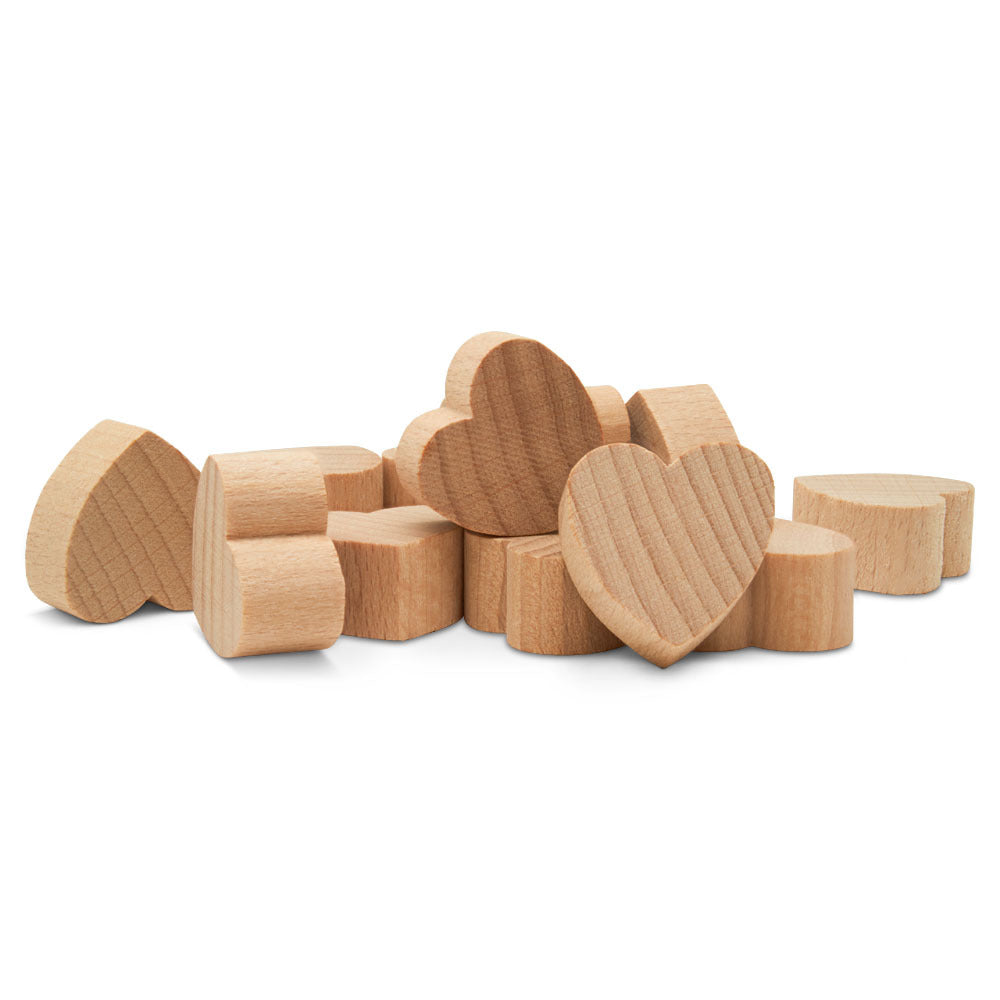
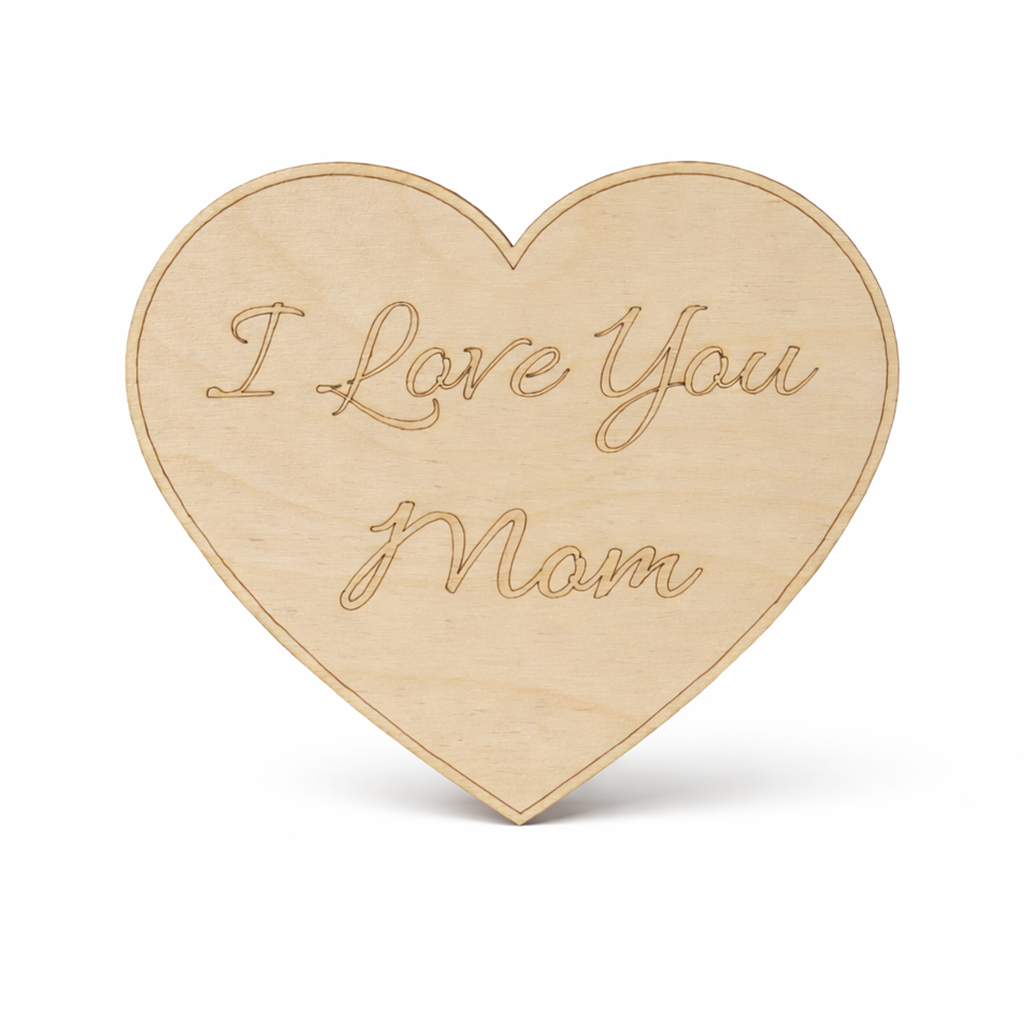
Hearts tend to be associated with specific occasions, but they’re more flexible than people expect. Yes, they show up around Valentine’s Day. But they’re also used for gifts, keepsakes, and anything that’s meant to feel personal.
Wooden heart cutouts are often used for names, messages, or simple designs that carry meaning. They don’t need a lot of decoration to feel finished.
They’re also a common choice for handmade gifts. A painted heart with a short message or date can feel more thoughtful than something store-bought.
For decor, hearts can be subtle if you keep the design simple. Neutral colors, minimal text. It doesn’t have to feel overly themed.
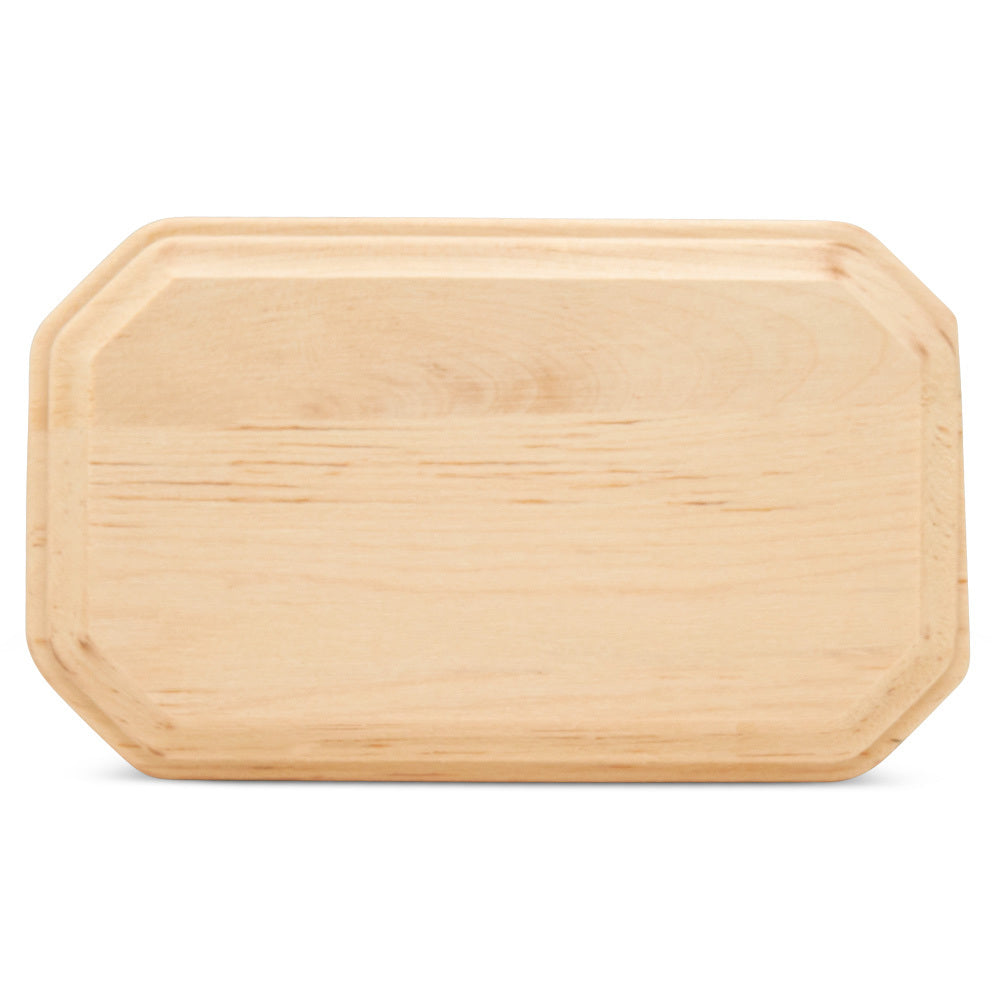
Hexagon & Octagon cutouts
Hexagons and octagons feel more modern. There’s something about those angled edges that makes them stand out compared to more traditional shapes.
Hexagons, in particular, are often used in grouping projects. You’ll see them arranged in clusters on walls, almost like tiles. Each piece can have its own design, but together they form something larger.
They’re also popular for geometric decor. Clean lines, repeated patterns, neutral color palettes — hexagons fit that style naturally.
Octagons are a little less common, which can actually work in your favor. If you want something that looks and feels different without being totally unfamiliar, they’re a good option. Both shapes work well for layered designs and wall arrangements.
If you want to try them out, you can find many options in our wooden hexagon cutout and wooden octagon cutout collections.
Did you enjoy our geometric wood cutouts guide? Be sure to check out our geometric shapes shop to find the perfect gift for yourself or a loved one!
