






If you’ve ever tried painting or crafting on something that bends and flexes…you already know the frustration.
You press a little harder with the brush, and the surface gives. Lines don’t land where you expect them to. Details feel harder than they should. It’s not a huge issue, but it’s enough to slow you down and make the entire process a little less fun.
That’s usually the moment people start looking at wood panels. And then they run into the term “cradled.”
At first, it sounds technical. Maybe even unnecessary. But once you understand what a cradled panel actually is, it makes a lot more sense — especially if you’re planning to paint, display, or build something that needs to hold up over time. So let’s break it down in a way that will help you out.
What is a cradled wood panel?
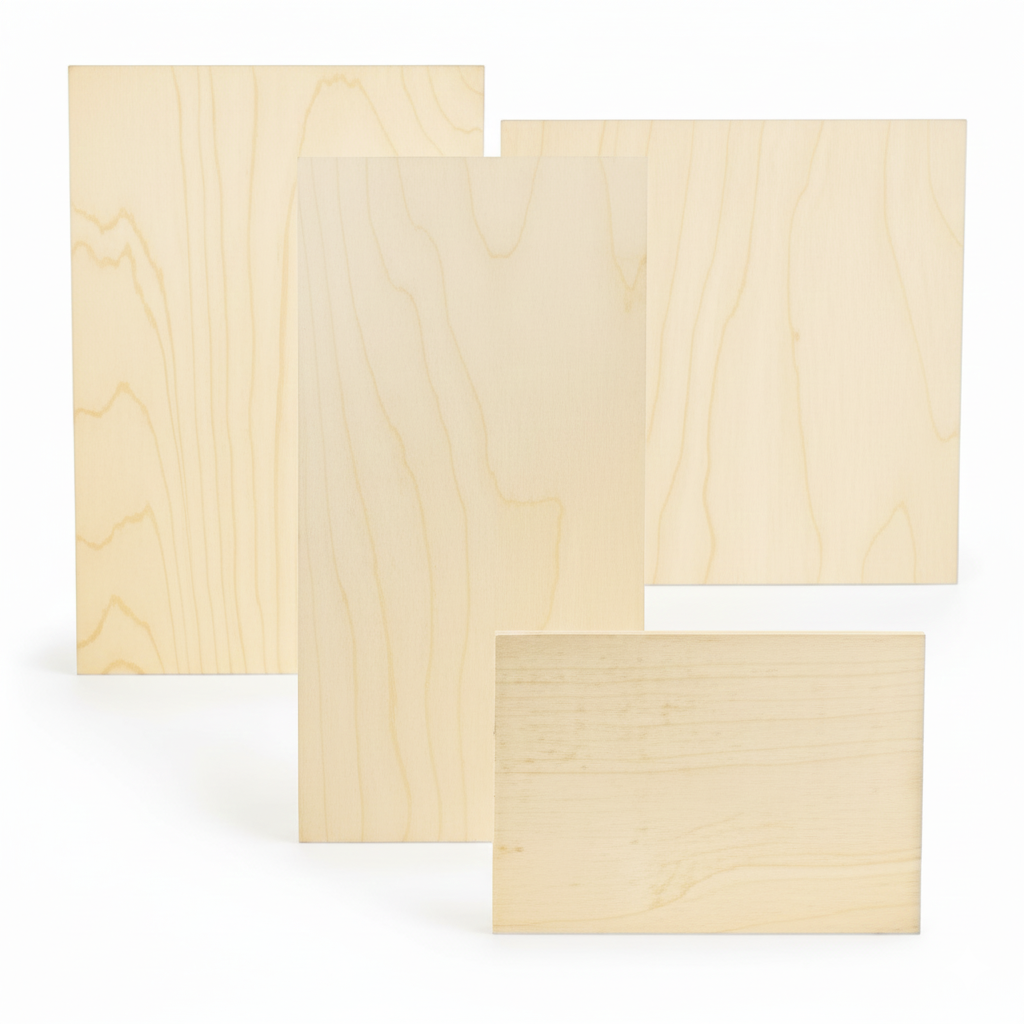
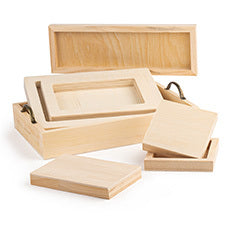
A cradled panel is just a flat wood panel with a frame attached to the exterior. That’s it.
The “cradle” is the support structure underneath, usually a set of wooden bars that add thickness and strength. That backing makes the panel more rigid and helps it stay flat.
Without that support, a standard panel is just a thin board. It can work, but it’s more likely to warp or bend. This is particularly true if you’re working with larger sizes or with heavier materials.
With a cradle, the panel becomes something closer to a wood cradled canvas. It has depth and it can stand on its own. You can even hang it without needing a frame!
It also feels very different when you’re working on it. It’s more solid and more controllable — all because of that little frame. And that difference becomes even more apparent once you start painting.
Why use a cradled wood panel? (vs non-cradled)
This is where the choice really matters. A non-cradled panel is fine for quick projects, studies, or anything that’s going into a frame anyway. It’s thinner, lighter, and easier to store. But a cradled wood panel is built for something more finished.
First, it’s more stable. The backing helps prevent warping. You’ll appreciate this stability if you’re dealing with humidity changes or as your layers of paint build up.
Second, it’s easier to display when you’re finished. As previously mentioned, you don’t have to frame it. You don’t even have to think about framing it. The depth allows you to hang it directly on the wall, no extra pieces required.
Third, it changes how the surface feels when you work on it. There’s no bounce or give every time you apply pressure. If you like clean lines or detailed work, that firmness makes a big difference.
It’s not about one being better than the other across the board. It’s about what you’re trying to make. If you want something quick and lightweight, go with a flat piece. If you want something that feels finished the moment you set the paintbrush down, go cradled.
Cradled wood panels for painting
This is where cradled painting panels really shine. The surface is smooth, solid, and predictable. You don’t get the texture of canvas unless you add it yourself. That’s a big reason some artists prefer cradled wood painting panels for detail work. There’s nothing interfering with the brush.
For smaller pieces (think smaller than 8 inches x 8 inches), thicker cradled panels work well. They’re easy to handle, easy to store, and still give you that rigid surface. These are great for practice pieces, mini artwork, or small finished designs you plan to hang in groups.
With a deeper cradled wood canvas, the edges become part of the design. This is also where you can start thinking about painting the sides. You can wrap color around, leave them natural, or create a contrast.
Once you move into medium or larger sizes (anything at or above 10 inches x 10 inches), depth starts to matter more. Of course, you focus most of your attention on the “bigger picture” (i.e., the width and height of the entire thing), but a slightly thinner cradle moves the attention away from the perimeter and more toward the contents in between. It starts to feel less like a sample and more like a finished piece.
Larger panels are where the cradle really earns its keep. Without that backing, the bigger wood panels are more likely to shift or warp over time. With it, they stay flat and stable, even with heavier paint application.
And if you’re working with techniques like layering, pouring, or textured mediums, that stability really matters. Remember that you don’t have to fight the surface with a cradled panel. It just stays where it’s supposed to.
Cradled wood panels for crafts
Not everything has to be a painting. Cradled panels also work really well for craft projects that need to feel three-dimensional and display-ready.
Think signs, for example. A craft wood panel with a cradle doesn’t need a frame. Paint it, add lettering, maybe layer on a few design elements (as long as they don’t distract from the written message), and it’s ready to hang.
They’re also great for mixed media projects. Because the surface is rigid, you can glue, layer, and build without worrying about the base bending or giving out entirely. That opens up more possibilities than thinner, less supported materials.
For smaller crafts, cradled panels are still easy to handle and won’t feel bulky. These are good for very simple signs, name plaques, or small decorative pieces.
For something dimensional — maybe layered wood designs, raised elements, or textured finishes — a deeper cradled panel gives you more room to work. It also looks better on the wall. More like a finished decor piece, less like a craft project.
People also use cradled panels for things like photo displays, collage work, or even as a base for resin projects. The rigidity helps keep everything level while the materials set.
And if you’re making gifts, that depth matters more than you’d think. A wood cradled canvas just feels more substantial in your hands, rather than feeling like something flimsy and temporary.
Finishing and working with cradled panels
Working with cradled panels doesn’t require a lot of extra steps, but a few small things can improve the final results.
Adding a coat of gesso can help create a better painting surface. It also gives you more control over how paint behaves.
With Woodpeckers panels, you don’t have to worry about sanding, as the wood arrives smooth and ready to work on. You can, of course, do some sanding between coats as you see fit. Not everyone does this, but it may be worth trying if you’re working on highly detailed pieces.
For crafts, you can skip some of that prep depending on the look you want. Raw wood has its own texture, and sometimes that’s part of the design.
Sealing is also optional, but potentially helpful, especially for pieces that will be handled often or displayed long-term. A clear coat projects the surface and provides an even finish.
And when it comes time to hang your finished project, cradled panels make things easy. The back frame gives you a natural place to attach hardware, or you can rest the panel directly on nails or hooks.
Did you enjoy our cradled wood panels guide? Be sure to check out our cradled wood panels shop to find the perfect gift for yourself or a loved one!
